
The Access Gap Is Still Enormous
According to WHO and UNICEF, 2.1 billion people, about one in four worldwide, still lacked safely managed drinking water in 2024. That includes 106 million people who drink directly from untreated surface water. Many of the rest rely on a hand pump at the end of a long walk and a long line.
Many Wells Stop Working, And Nobody Knows
A review of handpump data across sub-Saharan Africa estimated that about one in four handpumps there is non-functional at any given time. That was around 175,000 water points in 2015. The well itself is often fine. The pump wears out, a part goes missing, or a fault goes unreported for weeks because repairs depend on someone noticing and making a call.
Replacing every well is expensive and slow. Upgrading the infrastructure around a working well is faster, and it protects the money already spent drilling it.
What A Solar Retrofit Adds
A solarized retrofit keeps the borehole and replaces the hard, slow parts of the system:
- Solar pumping. A submersible pump on a dedicated solar array replaces hours of manual pumping and lifts far more water per day.
- Secure storage. Tamper-resistant tanks fill during the sunny hours and hold a reserve for evenings and emergencies.
- Purification. Sediment and carbon filtration, UV disinfection and a chlorine residual make water quality something you verify, not assume.
- Metered distribution. RFID or token-metered taps shorten lines, reduce waste and create revenue for upkeep.
- Remote monitoring. Cellular telemetry reports water levels, quality and faults, so problems are seen the day they happen.
Why Monitoring Matters Most
Of everything a retrofit adds, telemetry may matter most for long-term success. When a pump stops, operators and ministries know right away instead of weeks later. Turbidity, TDS and pH readings show whether treatment is working. Usage data shows how many people the system serves, which funders and governments need to see.
Who Benefits
- Communities get more water, closer to home, with less time lost to pumping and waiting.
- Schools and clinics get a reliable, safe supply for hygiene and care.
- Ministries and NGOs get data to plan maintenance and report impact.
- Funders and sponsors can follow the output of the project they paid for.
How Trident Wells Does It
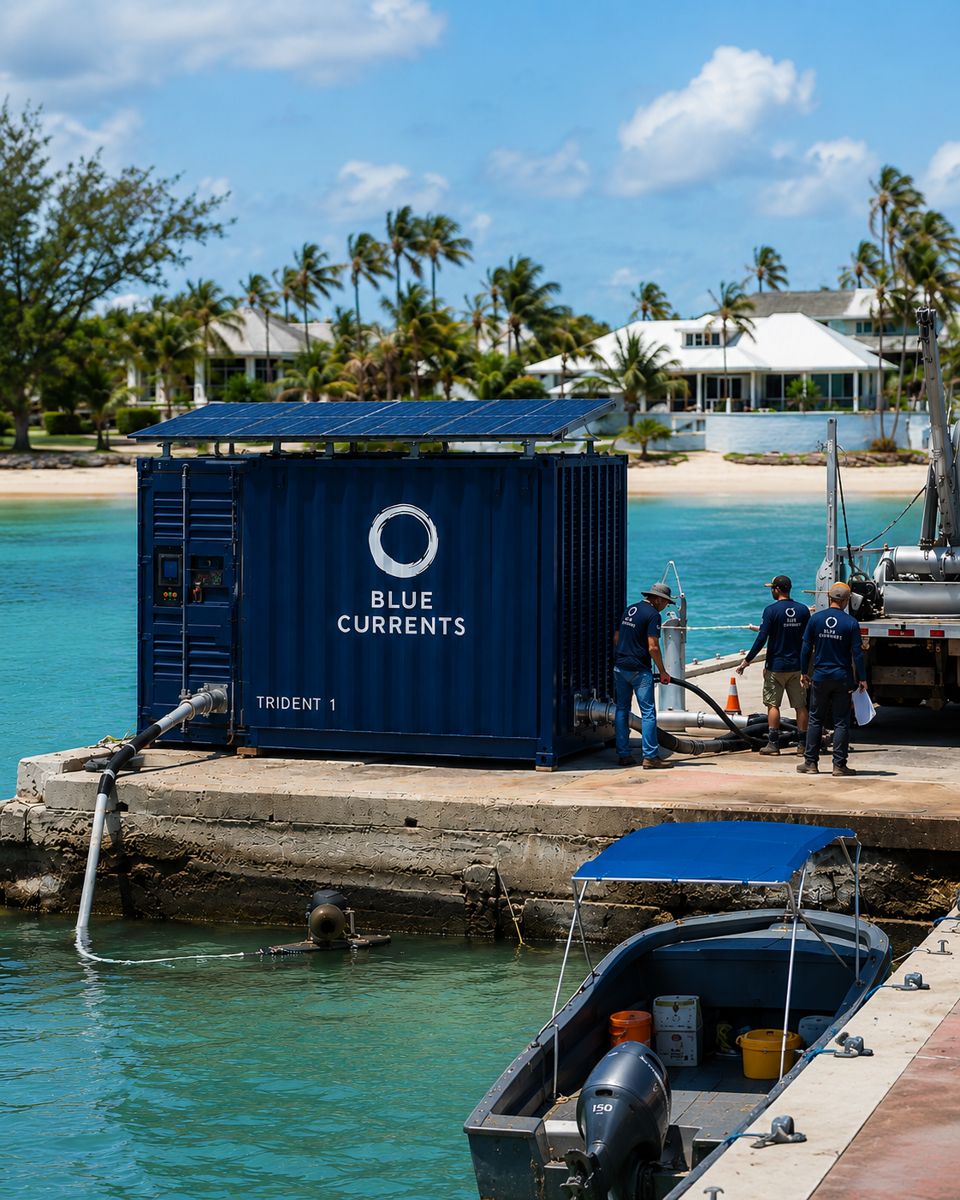
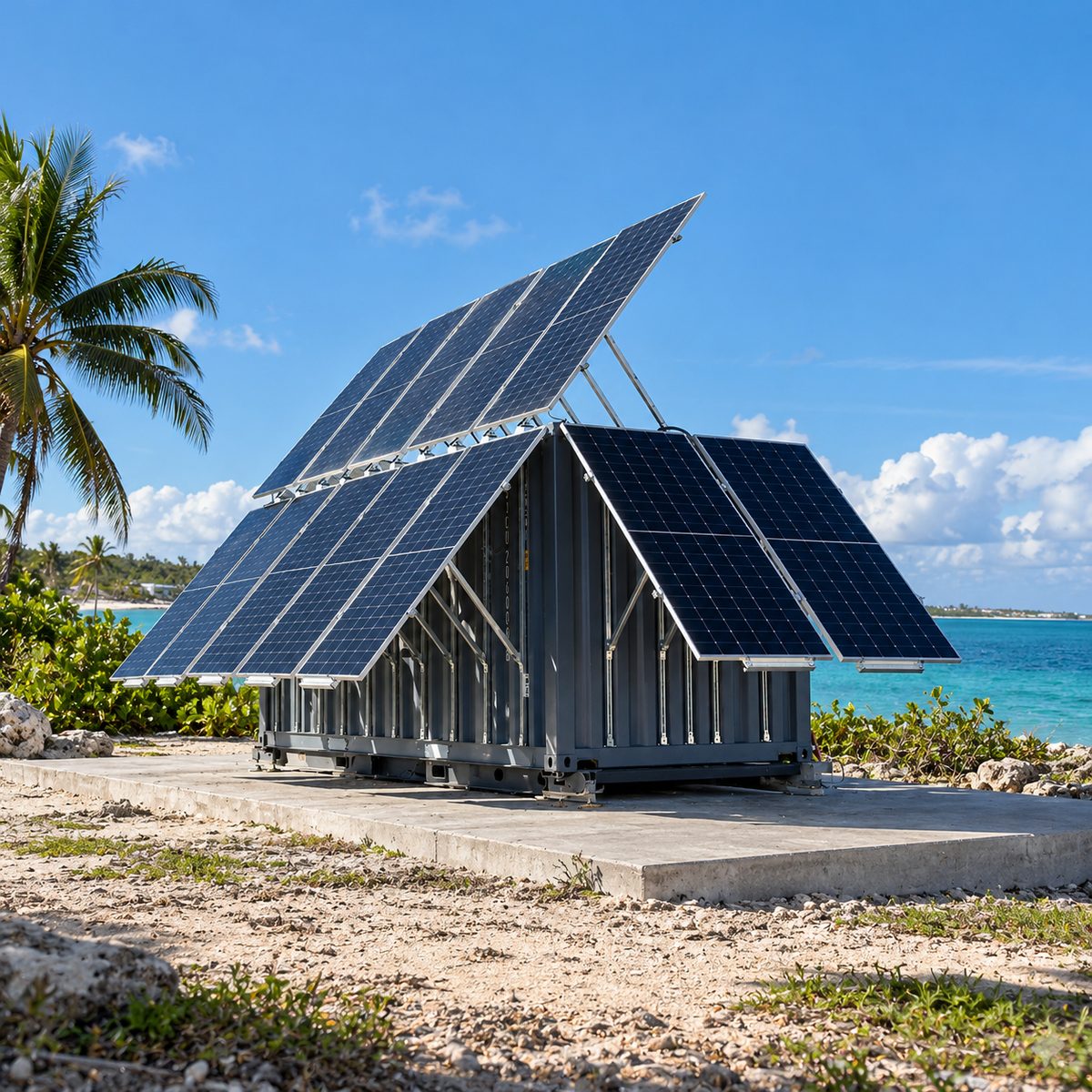
Trident Wells packages the full retrofit in one 20′ container: a solar submersible pump rated to about 200 ft of head on its own 1.2 kW array, 1,000 gallons of secure storage, multi-stage purification, SmartTAP metered distribution for up to three access points, and cellular telemetry with a remote dashboard. It's designed for rural villages, schools, health clinics, refugee camps and disaster recovery.